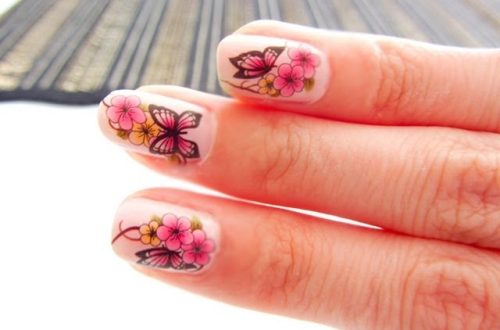
I still remember the moment I ruined my nails by peeling off a stubborn layer of glitter polish. It was late, I was tired, and instead of reaching for the remover, I reached for the edge and pulled. The strip came off in one satisfying piece—along with several layers of my natural nail underneath. My nail was left thin, sensitive, and took months to recover.
Removing nail polish seems simple, but doing it incorrectly can leave your nails weak, brittle, and damaged. Here is everything you need to know about the different removal methods, how they affect your nails, and how to care for them afterward.
The Acetone Method: Fast but Drying
Acetone is the most effective and widely used nail polish remover. It is a powerful solvent that breaks down the chemical bonds in nail polish, allowing it to be wiped away quickly. Acetone is particularly effective for removing stubborn polishes, glitter, and gel or acrylic enhancements.
Acetone works by dissolving the polish. It does this quickly, which is why it is the preferred choice in salons and for removing tough polishes. However, acetone is also a strong degreaser. It strips the natural oils from your nails and the surrounding skin, leaving them dry and brittle. Prolonged exposure can cause the nail plate to become weak and prone to peeling. It can also dry out the cuticles, leading to hangnails and irritation.
To minimize damage, choose a product that contains moisturizing ingredients like glycerin, vitamin E, or aloe vera. Avoid soaking your nails for long periods. Acetone works quickly—your polish should dissolve within a few minutes. Over-soaking increases drying effects. Always wash your hands thoroughly after using acetone and apply cuticle oil immediately. This restores moisture and helps prevent brittleness.
How to Use Acetone
Saturate a cotton ball or pad with acetone. Press it against your nail and hold for 10–15 seconds. This allows the remover to dissolve the polish rather than just rubbing it off. Wipe gently in one direction from cuticle to tip. Do not scrub back and forth—this damages the nail surface. For stubborn polish or glitter, use the foil wrap method: saturate a cotton ball, place it on your nail, wrap the fingertip with foil, and wait 5–10 minutes. Then gently wipe away the softened polish.
Non-Acetone Removers: A Gentler Alternative
Non-acetone removers are milder and less drying than acetone. They typically contain ethyl acetate or isopropyl alcohol, which dissolve polish more slowly. They are best for regular polish, light colours, and sensitive nails. For heavy glitter, dark pigments, or gel polish, they may be less effective and require more scrubbing, which can damage the nail surface.
If you wear polish regularly, non-acetone is a gentler choice for weekly removal. It is also suitable for people with dry or sensitive nails.
Removal Without Remover: Alternatives to Liquid Polish Remover
If you want to avoid liquid removers entirely, there are a few alternatives.
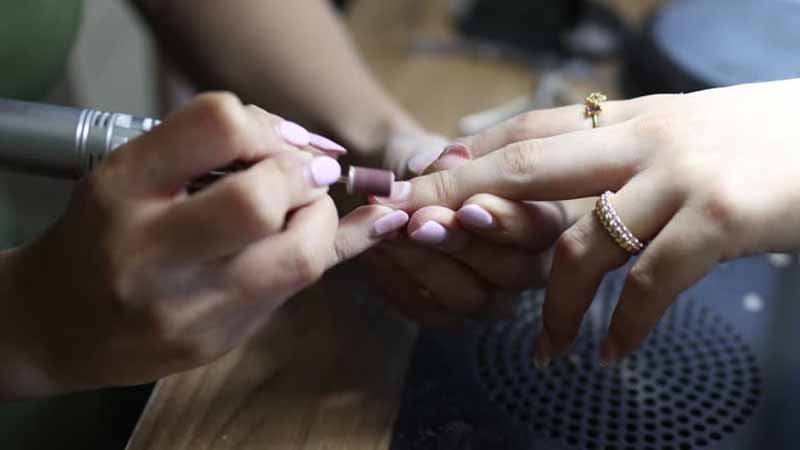
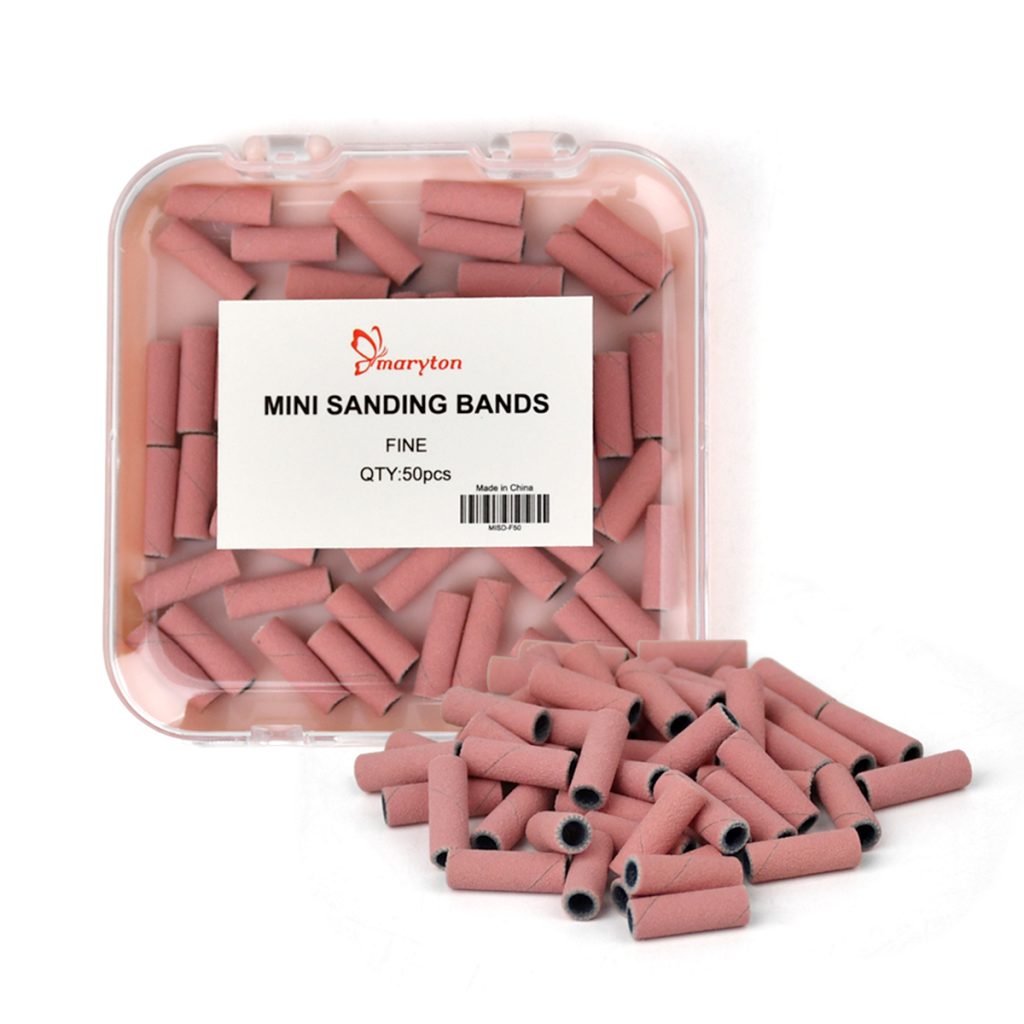
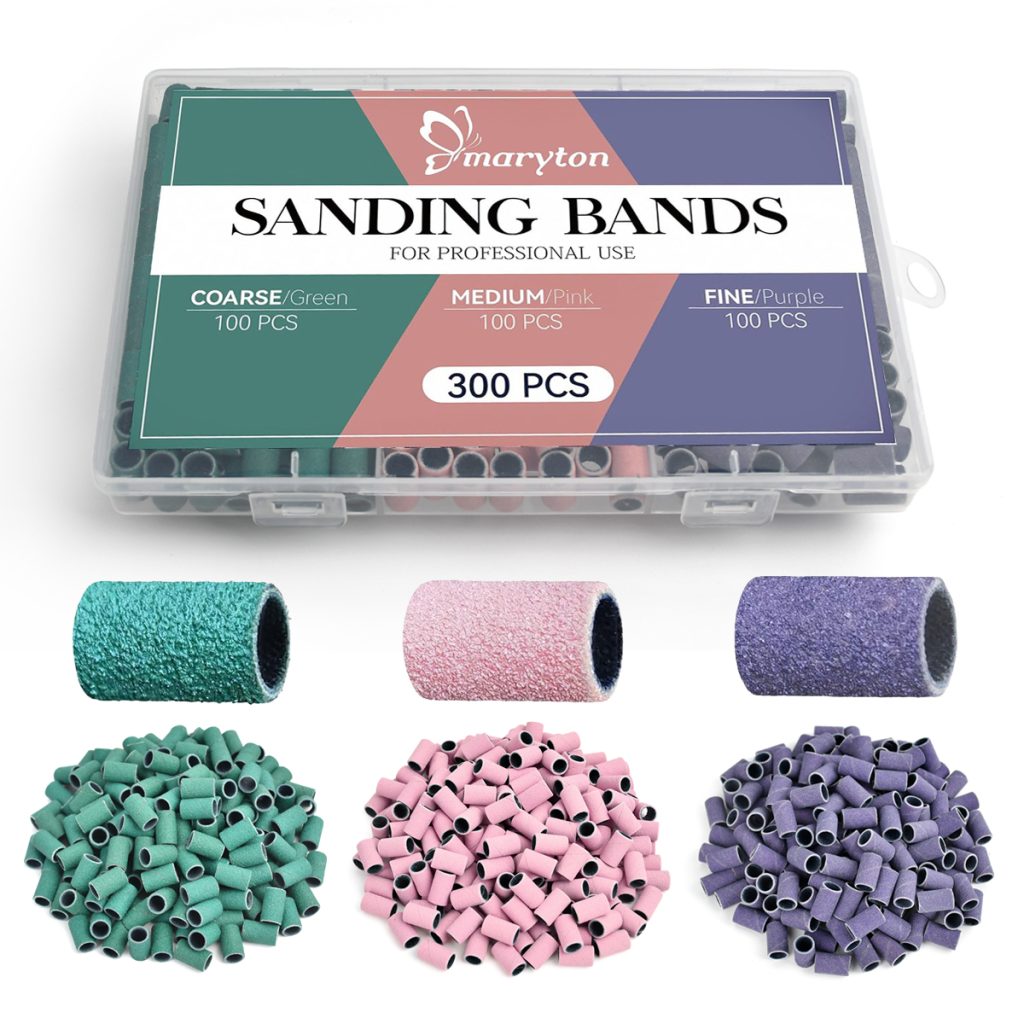
Nail filing. For gel or acrylic enhancements, filing is the primary removal method. Using a sanding band (100–150 grit) for an electric file (e-file), you can gently file away the product layer by layer. This method is effective but requires care—over-filing can thin the natural nail plate. It is best suited for hard gels and acrylics that cannot be soaked off. For regular polish, filing is not recommended as it can damage the nail surface and create micro-tears.
Peel-off base coats. These are designed to allow polish to be removed without any liquid remover. Apply the peel-off base coat before your color. When you are ready to remove, soak your nails in warm water for a few minutes to soften the bond, then gently peel the polish off from the edge. This method is the gentlest on natural nails and is ideal for glitter polishes, short-term wear, or anyone who changes polish frequently. However, peel-off base coats are not suitable for long-term wear as they may not hold up as well as traditional base coats.
How to Remove Nail Polish Gently: A Step-by-Step Guide
Regardless of which remover you choose, the technique matters. Here is a method that minimizes damage.
Step 1: Choose your remover. For regular polish, use a non-acetone remover. For stubborn polish, glitter, or gel, use acetone.
Step 2: Saturate a cotton pad. Do not use a dry pad—it will create friction and damage the nail surface.
Step 3: Press and hold. Press the saturated pad against your nail and hold for 10–15 seconds. This allows the remover to dissolve the polish.
Step 4: Wipe gently. Wipe the polish away in one direction, from cuticle to tip. Do not scrub back and forth.
Step 5: Repeat if necessary. For stubborn polish, repeat the process. For glitter, use the foil wrap method.
Step 6: Wash your hands. Use soap and warm water to remove any residue from the remover.
Step 7: Apply cuticle oil. This is the most important step. Apply cuticle oil to each nail and massage it in. This restores moisture and prevents brittleness.
Step 8: Moisturize your hands. Use a rich hand cream to lock in hydration.
What to Do After Removing Nail Polish
Your nails may feel dry or look dull after removal—this is normal. Here is how to restore them.
Apply cuticle oil every day, especially after washing your hands. Jojoba oil is ideal because it mimics the skin’s natural oils and penetrates the nail plate. Use a strengthening base coat if your nails feel weak, and keep your nails short while they recover. Give your nails a break between polish applications—a day or two of bare, oiled nails allows them to rehydrate and recover.
The Bottom Line
Removing nail polish safely is about choosing the right method for your polish type and treating your nails gently. Acetone is fast and effective but drying; non-acetone is gentler but slower. Both work well when used correctly. Alternatives like filing and peel-off base coats offer additional options for specific situations. The key to healthy nails is not just how you remove polish, but what you do afterward. A few minutes of care after removal—cuticle oil, hand cream, and a break from polish—will keep your nails strong, flexible, and beautiful for your next manicure.